Does Black Cohosh Work for Hot Flashes?
This article contains affiliate links. As an Amazon Associate, we earn from qualifying purchases, at no extra cost to you. Learn more.
Black cohosh has not been shown to work reliably for hot flashes. A Cochrane review of 16 trials found insufficient evidence that it helps menopause symptoms, a 2023 review that included herbal blends was only cautiously positive, and The Menopause Society’s 2023 nonhormone therapy position statement does not recommend herbal supplements for hot flashes. It is also linked to rare but serious liver injury reports, so talk with your doctor before you try it.
| Question | Short answer |
|---|---|
| Does it beat a placebo? | Not clearly. The best pooled trial data found no meaningful difference in daily hot flash count. |
| Is it as good as hormone therapy? | No. In head-to-head trials, hormone therapy reduced hot flashes more. |
| Is it safe? | Usually well tolerated in studies up to a year, but rare liver injury has been reported. |
| Who should skip it or ask first? | Anyone with liver problems, a hormone-sensitive cancer history, pregnancy, or other regular medicines. |
| What has better evidence? | CBT, clinical hypnosis, hormone therapy and several prescription nonhormonal medicines. |
What is black cohosh, and why is it so popular?
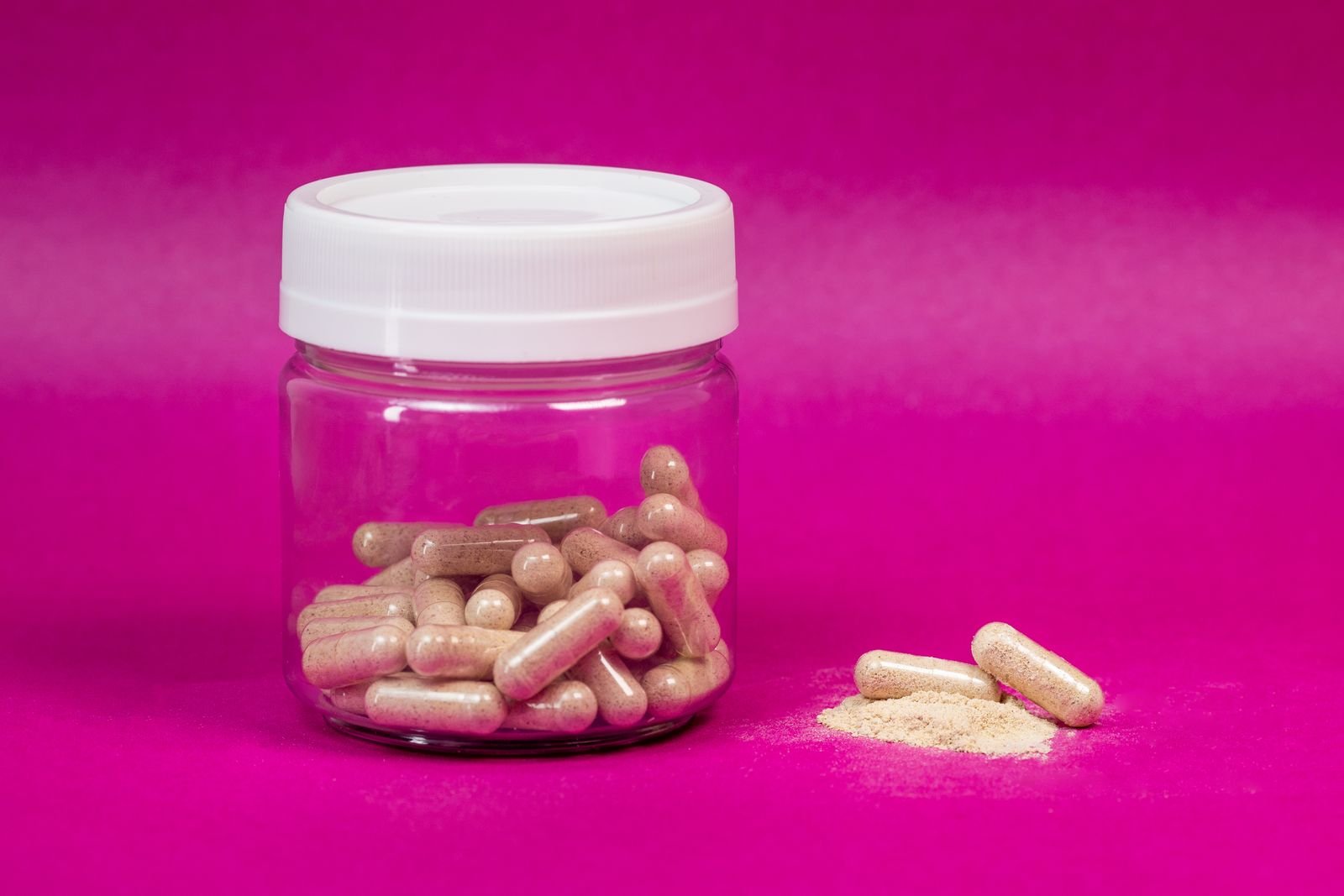
Black cohosh is a North American plant in the buttercup family. Its root is dried and sold as capsules, tablets, teas and extracts, and it has been used medicinally in Germany since the late 1800s, according to the National Center for Complementary and Integrative Health (NCCIH).

Its appeal is easy to understand. Many women cannot take estrogen, would rather not, or want something gentle first. The catch is that “natural” tells you where something came from, not whether it works or whether it is safe for you.
One more thing worth knowing: in the United States, herbal supplements are not approved by the FDA for safety or effectiveness before they are sold. The manufacturer is responsible for what goes in the bottle, and testing has found some black cohosh products that contained the wrong herb or unlisted extra herbs.
What does the research actually show?
The honest summary is “mixed, and weaker than the marketing suggests.” Here is how the main pieces of evidence line up.
| Evidence | What it looked at | What it found |
|---|---|---|
| Cochrane systematic review (2012) | 16 randomized trials, 2,027 perimenopausal and postmenopausal women, black cohosh alone | No significant difference from placebo in daily hot flash frequency; insufficient evidence to support use |
| Same Cochrane review, comparison arm | Trials comparing black cohosh with hormone therapy | Hormone therapy reduced hot flashes and symptom scores more than black cohosh |
| 2023 review cited by NCCIH | 22 studies of black cohosh extracts, alone or combined with other herbs | Possible benefit for overall menopause symptoms and hot flashes, but not for anxiety or low mood |
| The Menopause Society, 2023 position statement | All nonhormone options for hot flashes reviewed by an expert panel | Supplements and herbal remedies were not recommended for hot flashes |
The Cochrane authors also flagged uncertain study quality and big differences between trials. The fair reading is not “proven useless” but “not shown to work well enough to recommend.”
Why do the studies disagree so much?
- Products are not the same. Extracts are made differently, and some studies used blends. A result for one product says little about the bottle you buy.
- Hot flashes respond strongly to placebo. People taking a dummy pill often improve noticeably too, and a treatment has to beat that.
- Trials are short and small. Small effects are hard to pin down.
Is black cohosh safe for your liver?
For most people in clinical studies lasting up to a year, black cohosh was well tolerated. The concern is liver injury. NCCIH reports cases of liver damage, some very serious, in people taking products labeled as black cohosh. These cases are rare, and it is not certain whether black cohosh itself caused them or whether contaminants or the wrong herb in the product were to blame.
Either way, know the warning signs of liver trouble and call your doctor promptly if you notice any:
- Dark urine
- Unusual tiredness or weakness
- Yellowing of the skin or the whites of the eyes
- Pain in the upper right side of the belly
- Loss of appetite, nausea or pale stools
Do not confuse black cohosh with blue cohosh. They are different plants, and NCCIH notes that blue cohosh can cause effects such as high blood pressure and chest pain.
Who should avoid black cohosh or check with a doctor first?
Use this as a quick decision guide. It is not a substitute for advice from someone who knows your history, but it will tell you how firmly to ask.
| If this describes you | What to do |
|---|---|
| You have liver disease, past hepatitis or abnormal liver tests | Treat black cohosh as a “no” unless your doctor specifically says otherwise. |
| You have had breast cancer, uterine cancer or another hormone-sensitive condition | Ask your oncologist first. NCCIH says its safety here is uncertain, and it is unclear whether it helps hot flashes from cancer treatment. |
| You take prescription medicines, including tamoxifen or other cancer drugs | Bring the bottle to your doctor or pharmacist to check for interactions. |
| You might be pregnant or are breastfeeding | Avoid it. NCCIH notes it may not be safe in pregnancy or while breastfeeding. |
| You are otherwise healthy and curious | Talk it through with your doctor, and weigh it against options with stronger evidence first. |
How do you bring up black cohosh with your doctor?
Many women skip mentioning supplements because they expect a lecture or assume “herbal” does not count. It does. Your doctor needs to know everything you take.

Here are a few lines you can use as they are:
- “My hot flashes are waking me up three or four times a night, and I’m thinking about black cohosh. Is it safe with my health history?”
- “Here is the bottle I’m considering. Can you or the pharmacist look at the ingredients?”
- “If I do try it, should we check my liver at any point, and what symptoms should make me call you?”
Bring a two-week record of how many hot flashes you have and how much they disrupt sleep or work. Our guide to finding your hot flash triggers in two weeks has a simple format, and our full guide on how to talk to your doctor about hot flashes covers the rest of the visit.
What mistakes do people make with black cohosh?
- Assuming natural means harmless. Instead, treat it like any other active product and tell your doctor you are considering it.
- Buying a multi-herb blend. Blends make it impossible to know what helped or what caused a side effect. If your doctor agrees to a trial, a single-ingredient product with a third-party quality seal (such as USP Verified or NSF) at least tells you the label was checked.
- Judging it without a baseline. Count your hot flashes for a couple of weeks before starting, so you can compare honestly rather than by feel.
- Waiting months on something that is not helping. Agree with your doctor on a review point. If nothing has changed, move to an option with better evidence.
What works better than black cohosh for hot flashes?
The Menopause Society’s 2023 statement recommends cognitive behavioral therapy and clinical hypnosis as drug-free options, both available with a therapist or as structured self-help. Our guide to CBT and hypnosis for hot flashes explains what a course looks like.
Several prescription options also have solid evidence, including the newer NK3 receptor blockers and certain antidepressants used at low doses. See non-hormonal prescriptions for hot flashes. For many healthy women within about ten years of their last period, hormone therapy remains the most effective treatment and is worth discussing even if you assumed it was off the table.
What we would try first, in plain terms: cooling and sleep basics today, a CBT-based self-help program this month, and a doctor visit to talk about medical options if hot flashes are still costing you sleep or work.
When should you see a doctor?
Book an appointment if hot flashes are disrupting your sleep, work or mood, or if you want to try any supplement and have health conditions or take medicines. Seek care promptly for:
- Yellow skin or eyes, dark urine, or pain in the upper right belly while taking any supplement
- Night sweats with fever, unexplained weight loss or swollen glands
- A racing or irregular heartbeat, chest pain or fainting
- Any vaginal bleeding after your periods have stopped for a year
Want a doctor's take on black cohosh?
A doctor on FemHealth explains what black cohosh can and cannot do for hot flashes.
What is worth your money instead of a supplement?
If you were planning to spend money on black cohosh, these are honest alternatives: solid information to take into your appointment and simple comfort for the hot flashes you have right now.
- The Menopause Manifesto by Jen Gunter, MD: A gynecologist walks through menopause myths and marketing, including supplement claims, with clear explanations. Good for anyone who wants to sort evidence from hype before buying anything. Check price on Amazon
- Managing Hot Flushes and Night Sweats by Myra Hunter and Melanie Smith: A self-help workbook based on the CBT approach studied for hot flashes. A practical choice if you want a drug-free option you can start at home. Check price on Amazon
- The New Menopause by Mary Claire Haver, MD: An OB-GYN’s guide to symptoms and the full range of treatment options. Useful background reading before a conversation with your doctor. Check price on Amazon
- SWEETFULL Rechargeable Handheld Fan: Not a treatment, just quick relief when a flash hits at your desk or in the car. Suits anyone who wants something small to keep in a bag. Check price on Amazon
Frequently asked questions
How long do people usually try black cohosh before deciding?
Trials in the Cochrane review lasted about 23 weeks on average, so research does not support judging it after a few days. If your doctor agrees to a trial, set a clear review date together. If your hot flash count has not changed by then, it is reasonable to move on.
Can I take black cohosh with hormone therapy?
Do not combine them without asking your prescriber. There is no good evidence that adding it improves results. Your doctor can adjust your hormone therapy instead if symptoms persist.
Is black cohosh a phytoestrogen like soy?
It is often grouped with plant estrogens, but research has not settled how it acts in the body. That uncertainty is one reason experts urge caution for women with a history of hormone-sensitive cancer. Ask your oncologist before using it.
Why do some friends swear it worked for them?
Their experience is real, but hot flashes improve with placebo and also fade naturally over time. Without a comparison, it is hard to know whether the herb made the difference. Tracking your own symptoms before and during any trial gives you a fairer answer.
Does black cohosh help with menopause mood or anxiety?
The 2023 review cited by NCCIH found no improvement in anxiety or depressive symptoms. If mood is a big part of what you are dealing with, raise it directly with your doctor, since effective treatments exist.
Sources and further reading
- Black cohosh (Cimicifuga spp.) for menopausal symptoms, Cochrane
- Black Cohosh: Usefulness and Safety, National Center for Complementary and Integrative Health
- Menopausal Symptoms: In Depth, National Center for Complementary and Integrative Health
- 2023 Nonhormone Therapy Position Statement announcement, The Menopause Society
- Dietary Supplements, U.S. Food and Drug Administration
A quick note: this is general health information, not medical advice. Talk with your doctor before starting, stopping, or changing any treatment.